
May 29, 2025
Top 10 Questions People Ask Estheticians

Quick answer: Estheticians field the same questions time and again — and the most important answer is one most people overlook: daily broad-spectrum sunscreen is the single most impactful skincare step you can take, protecting everything else you invest in your skin. Other common topics include whether eye creams are necessary, how often to exfoliate, the real reason makeup should always come off at night, and why skin looks different in photos.
1. How often should I get a facial?
2. What facial is best for acne-prone skin?
3. Do I need to stop using retinol before a facial?
4. Can I get a facial if I have sensitive skin or rosacea?
5. Are extractions painful?
6. What’s the difference between dermaplaning and microdermabrasion?
7. Can facials really help with anti-aging?
8. Should I prep my skin before an appointment?
9. What’s the best way to maintain results between visits?
10. How do I choose the right esthetician or medspa?
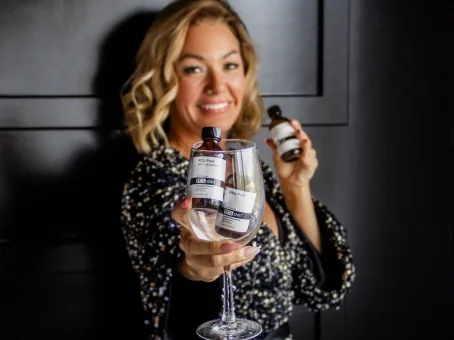
Let’s Glow, Tempe AZ
- Book your consultation at Allure Infinite Beauty — located right in Tempe, AZ
- Or give us a call or text today: 480-831-7109
- Follow us on Instagram for glow-ups, skincare tips & behind-the-scenes: @allureinfinitebeauty
Frequently Asked Questions Estheticians Hear Most Often
What is the single most important skincare step?
If forced to choose one, virtually every esthetician and dermatologist will say daily broad-spectrum sunscreen. UV exposure is responsible for the vast majority of visible skin aging and is a primary contributing factor in skin cancer. Sunscreen protects all other investments in your skin — your professional treatments, your medical-grade products, your genetics — from being degraded by daily UV exposure. An effective, consistent routine with sunscreen as a foundation will outperform a complex routine without it.
Do I need a separate eye cream, or can I use my regular moisturizer?
The skin around the eyes is genuinely thinner, has fewer oil glands, and experiences constant mechanical stress from expression and blinking — which means it benefits from a product formulated for the delicate periorbital area. That said, a good general moisturizer applied carefully can work for many clients. Purpose-formulated eye creams typically include caffeine (for puffiness), peptides, and vitamin K at concentrations tailored for the area. Whether a separate eye cream is necessary depends on your specific concerns and what your current moisturizer contains.
Should I use the same skincare products year-round?
Most people benefit from seasonal adjustments — at minimum, a lighter moisturizer in summer (when heat and humidity increase skin’s hydration naturally) and a richer formulation in winter (when lower humidity and indoor heating increase transepidermal water loss). In Arizona’s climate, the shift from summer outdoor activity (requiring a broad-spectrum, sweat-resistant SPF) to winter conditions may also prompt an SPF formula change. Your exfoliation frequency and active ingredient intensity may also appropriately shift seasonally based on skin sensitivity changes.
Is it bad to sleep with makeup on?
Yes, consistently. While an occasional night will not cause lasting damage, habitual makeup sleeping accelerates pore congestion, traps environmental pollutants against the skin, prevents the skin from completing its overnight repair processes, and can cause mascara and eye products to irritate the delicate eye area. Overnight, the skin’s cellular renewal rate peaks and its receptivity to repair-focused ingredients (retinoids, peptides, growth factors) is highest — sleeping with makeup on blocks the absorption of any products applied over it and prevents proper skin breathing.
Why does my skin look different in photos versus in person?
Photography captures skin differently than the human eye perceives it in natural light. Camera lighting emphasizes surface texture, pores, fine lines, and uneven tone more starkly than the three-dimensional perception and depth-of-field of direct vision. This can make skin look worse in photos than in real life, especially under harsh or direct flash lighting. Conversely, photo editing and filters can make skin appear more even and flawless than it is in person. When reviewing before-and-after photos of skin treatments, consistent lighting and no filtering is essential for an accurate comparison.
More Questions Your Esthetician is Always Happy to Answer
How do I know when it’s time to book a professional facial?
If you have noticed your skin feeling dull, congested, uneven, or difficult to manage despite a consistent home routine, those are good indicators that a professional assessment and treatment can help. Estheticians can perform extractions safely, evaluate your skin’s condition with trained eyes, and recommend adjustments to your routine that home care alone may miss. There is no perfect timing — whenever you want to invest in your skin’s health is the right time. Many clients find that booking a professional facial quarterly or seasonally as a maintenance habit makes a real difference in long-term skin health.
What should I avoid before a facial appointment?
In the days leading up to a facial, it is generally recommended to avoid starting new active skincare ingredients (retinol, strong acids, or new exfoliants) that could make your skin more sensitive. Arriving without heavy makeup is appreciated, though our team can cleanse your skin if needed. Waxing the face immediately before a facial can increase sensitivity, and sunburned skin may need to wait until it has healed. Your esthetician will ask about your current products and any recent treatments at the start of your appointment, so being ready to share that information helps us tailor the session to your skin’s current state.
Is skin purging after a facial normal, and when should I be concerned?
Skin purging — a temporary increase in breakouts or congestion following certain professional treatments — can occur as congestion that was beneath the surface becomes visible during the clearing process. Purging after a facial tends to resolve within a couple of weeks as the skin normalizes. It is typically concentrated in areas where you already tend to break out. If breakouts appear in completely new areas, worsen significantly, or persist beyond a few weeks, that is worth discussing with your esthetician — it may indicate a reaction to a product rather than a true purge. Our team is always available to answer follow-up questions after your visit.
Can estheticians help with acne, or should I see a dermatologist?
Licensed estheticians can provide valuable support for many clients dealing with acne — including professional treatments, product guidance, and lifestyle recommendations that address contributing factors. However, moderate to severe inflammatory acne, cystic acne, or acne that has not responded to consistent professional skin care may benefit from a dermatologist’s evaluation for prescription-strength treatment options. The two approaches are not mutually exclusive — many clients work with both a dermatologist and an esthetician for the most comprehensive results. Our team will be transparent with you about what we can address effectively and when a referral may be in your best interest.
How Allure Infinite Beauty Can Help With All Your Skin Questions
Our Mesa estheticians love the questions — all of them, including the ones you feel embarrassed to ask. Skin care is personal, and great guidance starts with understanding your specific concerns, not giving generic advice. Explore our professional skin care services or book an appointment online with our licensed team. We serve clients throughout Mesa, Chandler, Tempe, and the greater Phoenix Valley who want skin care they can actually count on.