
April 16, 2025
Why Sunscreen Is a Year-Round Must—Especially in an Arizona Summer

Quick answer: Arizona’s combination of high altitude, desert latitude, and more than 300 sunny days a year creates one of the most intense UV environments in the continental United States — with UV Index values regularly reaching 10 or higher. UVA rays, which drive photoaging and contribute to skin cancer risk, penetrate clouds and car windows year-round. That makes daily broad-spectrum SPF a non-negotiable foundation for anyone living or spending time in Arizona.
Tempe MedSpa Skin Tips from the Desert Skincare Experts
If you live in Tempe or anywhere in Arizona, you already know: the sun doesn’t take a day off—and neither should your sunscreen. At Allure Infinite Beauty, we often treat sun damage that could have been prevented with consistent SPF protection. Whether it’s January or July, your skin is exposed to harmful UV rays that age, damage, and dehydrate your skin—fast.
Let’s break down why sunscreen is your #1 anti-aging product, especially in our desert climate.
🌞 The Arizona Sun Hits Different
Arizona gets over 300 sunny days a year. That’s a lot of UV exposure. Here’s why it matters:
- UV rays penetrate clouds and windows – yes, even during overcast days or when you’re driving in your car or sitting on your couch.
- High elevation = stronger rays – Tempe sits around 1,100 feet above sea level, making UV radiation more intense than in lower regions.
- Dry heat doesn’t mean low risk – it’s easy to forget sunscreen when you’re not “feeling” the burn, but UV damage happens silently, over time.
🧴 Not Just for the Pool
A common myth we hear. “I don’t need sunscreen unless I’m going to be outside all day.” Here’s the truth:
- 5-10 minutes of daily sun exposure adds up—think walking to your car, lunch outside, or a quick coffee run.
- Blue light from screens and indoor lighting can also contribute to skin aging.
- Year-round application builds skin resilience and helps prevent:
- Fine lines + wrinkles
- Sun spots and hyperpigmentation
- Loss of elasticity
- Skin cancer (especially basal and squamous cell carcinomas)
💡 Pro Tips from Our Tempe Skincare Team
At Allure Infinite Beauty, we recommend:
✅ SPF 30 or higher – broad-spectrum (UVA + UVB)
✅ Apply every morning – rain or shine
✅ Reapply every 2 hours if you’re outside
✅ Don’t forget often-missed spots – ears, neck, lips, hands
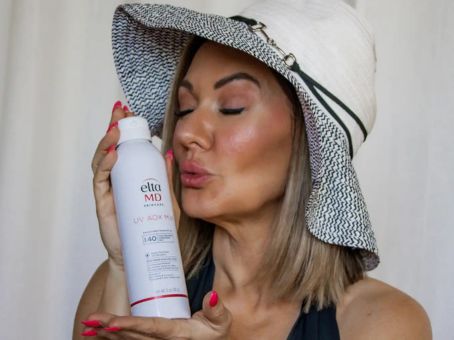
✅ Use a separate SPF for your face (formulas designed for acne-prone or sensitive skin available), our favorites are EltaMD and PCASkin
Want a Personalized Skin Assessment?
If you’re seeing signs of sun damage—or want to prevent it—we’re here to help. Book a free consultation with our licensed aestheticians for:
✨ Custom sunscreen recommendations
✨ Medical-grade skincare tailored to Arizona skin
✨ Advanced treatments to reverse sun damage (microneedling, IPL, and chemical peels!)
📍Located in the heart of Tempe, we’re here to keep your glow safe and smart.
The content on this page is for informational purposes only and does not constitute medical advice, diagnosis, or treatment. Individual results vary. All procedures and treatments at Allure Infinite Beauty are performed by or under the supervision of licensed medical professionals. Please consult a qualified healthcare provider before beginning any aesthetic or wellness treatment to determine whether it is appropriate for your individual needs and health history.
Frequently Asked Questions About Year-Round Sunscreen Use in Arizona
Does Arizona’s desert climate require a different approach to sunscreen?
Yes — Arizona’s combination of high altitude (reducing UV-filtering atmosphere), desert latitude, and low humidity creates one of the most intense UV environments in the continental United States. Phoenix and Mesa regularly record UV Index values of 10 or higher from April through October, with peaks above 12 in summer. This UV intensity is more than sufficient to cause significant cumulative skin damage even through cloud cover and car windows. An SPF 50 mineral sunscreen applied every morning is a non-negotiable in Arizona regardless of season or outdoor plans.
Is sunscreen really necessary in winter and on cloudy Arizona days?
Yes. UVA radiation — the wavelength responsible for photoaging and a significant contributor to skin cancer risk — penetrates clouds and glass with minimal attenuation. While UVB (the burning ray) is lower in winter, UVA remains substantial year-round in Arizona’s predominantly clear climate. Studies show that car windshields block UVA but side windows do not — regular drivers accumulate asymmetric UV damage on the left side of the face over years of commuting. Daily SPF protects against this cumulative exposure regardless of whether you are spending time outdoors.
What SPF is actually enough for daily use in Arizona?
For typical daily use in Arizona — commuting, errands, indoor work — SPF 30 applied correctly provides 97% UVB protection and is generally sufficient when you will not be spending extended time outdoors. For any outdoor activity lasting more than thirty minutes, SPF 50 is a better choice. The product application amount matters as much as the SPF number: most people apply one-quarter to one-half of the amount needed to achieve the labeled protection. For the face, approximately half a teaspoon of sunscreen is needed to achieve accurate SPF coverage.
What type of sunscreen formula works best under makeup?
Mineral sunscreens with a lightweight or fluid formulation work best under makeup and do not interfere with foundation adhesion. Many modern mineral sunscreens are formulated with transparent zinc oxide that blends smoothly without leaving the white cast associated with older formulations. Tinted mineral sunscreens offer an added benefit of providing a cosmetically blendable coverage layer while protecting the skin. Setting powders with SPF can extend protection throughout the day with a natural finish. Avoid heavy cream formulations under foundation as they tend to pill or separate with makeup layered on top.
How does regular sunscreen use benefit long-term skin health?
Research on long-term, consistent daily sunscreen use demonstrates measurable reversal of existing photoaging — not just prevention of new damage. A landmark randomized controlled trial found that participants using SPF 15+ daily showed a 24% less aged appearance over four and a half years compared to those using it at discretion. UV damage is cumulative and dose-dependent, meaning every application of sunscreen contributes to a lower lifetime UV dose and reduced risk of both cosmetic photoaging and skin cancer. Consistent protection now has an effect on skin quality ten and twenty years from now.
Sunscreen in Arizona: The Questions We Hear at Allure Every Season
Why does Arizona’s sun require a different approach to sunscreen than other states?
Arizona receives more annual UV radiation than most of the continental United States, with Phoenix-area cities regularly registering UV index values in the extreme category during summer months. The combination of high altitude, minimal cloud cover, and intense solar angles means UV exposure accumulates quickly — even on days that don’t feel especially hot. Skin damage from UV radiation is cumulative and largely invisible until years later, which is why clients who move to Arizona from less sunny states are often surprised by how much accelerated aging can occur without consistent sun protection habits in place.
What SPF number should I actually be using, and does it matter if it’s 30 vs 50?
SPF 30 blocks approximately 97% of UVB rays; SPF 50 blocks approximately 98%. The difference sounds small, but in practice, SPF 50 provides meaningful additional protection for people who are outdoors for extended periods, have photosensitive skin, or are using active skincare ingredients that increase UV sensitivity. In Arizona’s conditions, SPF 50 is what we recommend as a daily minimum. More important than the exact number is using enough product — roughly a nickel-sized amount for the face — and reapplying every two hours when you’re outside.
What’s the difference between mineral and chemical sunscreen, and which is better?
Mineral sunscreens use zinc oxide or titanium dioxide to physically block UV rays at the skin surface. Chemical sunscreens use organic compounds — like avobenzone or octinoxate — that absorb UV energy and convert it to heat. Mineral formulas are generally better tolerated by sensitive skin and are considered reef-safe, but can leave a white cast on deeper skin tones. Chemical formulas tend to feel more cosmetically elegant and work well under makeup. Neither is universally superior — the best sunscreen is the one you’ll apply consistently. We can help you find a formulation that works for your skin at a consultation.
Do I need sunscreen indoors or on cloudy days in Arizona?
Yes — UVA rays, which contribute significantly to skin aging and hyperpigmentation, penetrate window glass and are not blocked by clouds. In Arizona, even overcast days still deliver notable UV loads, and office or car windows transmit enough UVA to warrant daily SPF use regardless of whether you plan to be outside. Clients who treat indoor days as “SPF-free” days are often dismayed to find their hyperpigmentation or sun damage progressing without explanation. Daily morning sunscreen application — rain, shine, or cloud — is the standard our team recommends for everyone in the Valley.
How does sunscreen help protect my investment in professional skin treatments?
Nearly every professional treatment we offer — laser facials, chemical peels, HydraFacial, injectables, brightening protocols — produces results that UV exposure can degrade or reverse over time. Sun damage reformulates pigmentation that brightening treatments worked to eliminate, breaks down collagen that injectables and laser treatments helped rebuild, and accelerates the very aging processes that professional care is designed to slow. Clients who are diligent about daily SPF maintain their treatment results longer and require less frequent retreatment. We see it routinely — sunscreen is not optional if you want to protect your investment. See our skin care services for complementary treatment options.
What are the signs that my skin has already been affected by sun damage?
Common signs of cumulative UV damage include uneven skin tone, brown spots or flat dark patches, rough or leathery texture, fine surface lines, and visible broken capillaries. Deeper UV damage can also manifest as a general loss of firmness and elasticity that looks like premature aging. At Allure, we treat sun-damaged skin regularly and have seen meaningful improvements through a combination of consistent SPF going forward, brightening treatments, and collagen-stimulating services. If you’re concerned about existing sun damage, a consultation with our licensed providers will help identify the best course of action.
The best time to start protecting your skin was yesterday — the second best is today. Book a skin consultation at Allure Infinite Beauty in Mesa, AZ, and let us help you build a sun protection and skin health routine that keeps your results lasting longer.