
October 12, 2026
Best Facial Treatments for Acne-Prone Skin
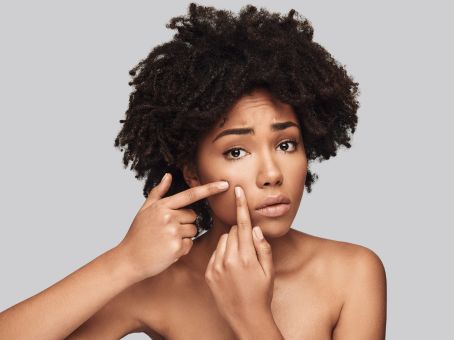
When you have acne-prone skin, not every facial is a good idea.
Some treatments can help reduce congestion, support the skin barrier, and improve overall skin health.
Others may be too aggressive, too occlusive, or simply wrong for the type of acne you have.
At Allure Infinite Beauty MedSpa & Salon in Mesa, Arizona, we look at the condition of your skin before choosing a facial.
The goal is not just to make the skin feel clean for a day.
The goal is to choose treatments that support clearer, healthier skin over time.
Are Facials Good for Acne?
They can be.
The right facial may help with:
- Congestion
- Blackheads
- Whiteheads
- Excess oil
- Dryness
- Barrier support
- Mild inflammation
- Post-acne marks
- Overall skin texture
But facials are not a replacement for medical treatment when acne is severe, cystic, or widespread.
What Is the Best Facial for Acne-Prone Skin?
There is no single best facial for everyone.
The right treatment depends on whether your main concern is:
- Clogged pores
- Oily skin
- Active breakouts
- Dryness
- Sensitivity
- Post-acne pigmentation
- Texture
- Acne scars
Different concerns need different approaches.
Deep Cleansing Facials for Acne
A deep cleansing facial may help when the skin is congested.
It may include:
- Gentle cleansing
- Exfoliation
- Extractions when appropriate
- Hydration
- Skin-calming products
This can be useful for:
- Blackheads
- Whiteheads
- Mild congestion
- Oily skin
Aggressive extraction is not always better.
The goal is to clear congestion without creating unnecessary inflammation.
Acne Facials
An acne-focused facial is usually designed around breakout-prone skin.
It may focus on:
- Oil control
- Congestion
- Gentle exfoliation
- Barrier support
- Reducing irritation
- Appropriate extractions
The exact products and techniques should be adjusted to your skin.
Hydrafacial for Acne-Prone Skin
Hydrafacial may be useful for some acne-prone patients because it combines cleansing, exfoliation, extraction, and hydration.
It may help with:
- Congestion
- Blackheads
- Oily skin
- Dullness
- Dehydration
However, active inflammatory acne needs to be evaluated carefully.
A Hydrafacial is not automatically appropriate for every breakout.
Chemical Peels for Acne
Chemical peels are often one of the most useful professional treatments for acne-prone skin.
Depending on the peel, they may help:
- Unclog pores
- Reduce oil buildup
- Improve post-acne pigmentation
- Smooth texture
- Improve cell turnover
Ingredients may include:
- Salicylic acid
- Glycolic acid
- Lactic acid
- Combination professional peel formulas
The best peel depends on your skin.
Salicylic Acid Treatments for Acne
Salicylic acid is oil-soluble.
That makes it especially useful for:
- Clogged pores
- Blackheads
- Whiteheads
- Oily skin
It can help exfoliate inside the pore.
This is one reason it is commonly used in acne-focused treatment plans.
Are Extractions Good for Acne?
They can be helpful when performed appropriately.
Extractions may help remove:
- Blackheads
- Whiteheads
- Surface congestion
They should not be used aggressively on:
- Deep cystic acne
- Inflamed lesions
- Painful nodules
Over-extracting can create more inflammation.
What About Cystic Acne?
Severe cystic acne usually needs more than a facial.
Cystic acne is deeper and more inflammatory.
In those cases, the priority may be:
- Medical evaluation
- Prescription treatment
- Reducing inflammation
- Preventing scarring
Facials may still support the skin, but they should not be presented as a cure for severe acne.
Are Hydrating Facials Good for Acne?
Sometimes, yes.
Many acne patients assume their skin needs to be dried out.
That can backfire.
Acne-prone skin can still be:
- Dehydrated
- Irritated
- Barrier-damaged
- Over-exfoliated
A hydrating treatment may help restore balance.
Can a Facial Make Acne Worse?
It can if the wrong treatment is used.
Possible problems include:
- Over-exfoliation
- Aggressive extractions
- Heavy occlusive products
- Too much heat
- Irritating active ingredients
That is why skin assessment matters.
Should You Get a Facial During a Breakout?
It depends on the breakout.
Mild congestion may respond well to treatment.
Severe inflammatory or cystic acne may need a gentler or medically directed approach.
Your provider should evaluate the skin first.
Do Facials Help Hormonal Acne?
They may help manage the skin, but they do not directly correct the hormonal cause.
Facials may help with:
- Congestion
- Oil buildup
- Hydration
- Post-breakout marks
Hormonal acne may still require medical management.
Do Facials Help Adult Acne?
Yes, depending on the cause.
Adult acne may be influenced by:
- Hormones
- Stress
- Skincare
- Hair products
- Medications
- Skin barrier disruption
A facial can be part of the plan, but it should not be the only strategy if the acne is persistent.
Can Facials Help Acne Scars?
Facials are generally better for active skin management than deeper acne scars.
They may improve:
- Mild texture
- Pigmentation
- Hydration
- Overall skin quality
But depressed scars usually need treatments such as:
- Microneedling
- RF microneedling
- CoolPeel
- Fractional CO2
Can Facials Help Dark Acne Marks?
Some facials may help support improvement in post-acne pigmentation.
Chemical exfoliation, brightening ingredients, and professional skincare may be useful.
However, pigment correction often takes time.
How Often Should You Get an Acne Facial?
Frequency depends on:
- Acne severity
- Skin sensitivity
- Treatment type
- Home skincare
- Professional treatment plan
Some patients benefit from regular treatments.
Others may need more spacing.
The schedule should be individualized.
What Should You Do Between Facials?
Home care matters.
A basic acne-prone skincare routine may include:
- Gentle cleanser
- Appropriate acne treatment
- Moisturizer
- Sunscreen