
October 12, 2026
Acne Treatment for Women in Their 30s, 40s & 50s
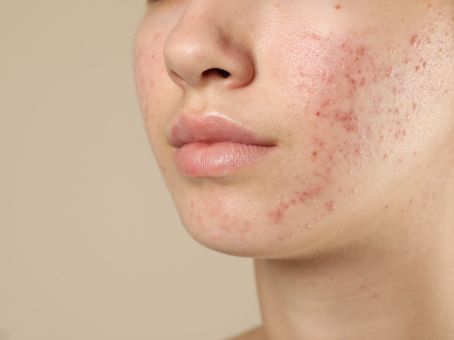
Acne is not just a teenage problem.
Many women experience breakouts well into their 30s, 40s, and even 50s.
Sometimes acne continues from earlier years.
Other times, it appears for the first time in adulthood.
Hormonal changes, stress, skincare products, medications, and changes in the skin barrier can all play a role.
At Allure Infinite Beauty MedSpa & Salon in Mesa, Arizona, we see adult acne regularly, and one of the biggest mistakes we see is treating mature skin exactly the same way as teenage skin.
Adult skin often needs a different approach.
Why Do Women Get Acne in Their 30s, 40s, and 50s?
Adult acne may be influenced by:
- Hormonal changes
- Stress
- Oil production
- Skincare products
- Makeup
- Hair products
- Medications
- Perimenopause
- Menopause
- Skin barrier damage
- Genetics
For many women, acne is caused by more than one factor.
Why Does Adult Acne Often Show Up on the Jawline and Chin?
Hormonal acne commonly appears around:
- Chin
- Jawline
- Lower cheeks
- Neck
This can happen because hormonal shifts influence oil production and inflammation.
However, not every jawline breakout is hormonal.
Products, friction, and irritation can also contribute.
Acne in Your 30s
Women in their 30s may experience acne related to:
- Hormonal changes
- Pregnancy
- Postpartum changes
- Stress
- Birth control changes
- Skincare routines
- Busy lifestyles
This is also an age when many women begin adding stronger anti-aging products.
That can sometimes create irritation if too many actives are introduced at once.
What Acne in Your 30s May Look Like
Common concerns include:
- Chin breakouts
- Jawline acne
- Blackheads
- Whiteheads
- Occasional cysts
- Post-acne pigmentation
- Enlarged pores
Some women are also starting to notice early fine lines at the same time.
That can make treatment more complicated because you may be treating acne and aging together.
Acne in Your 40s
Acne in the 40s is often influenced by hormonal changes related to perimenopause.
At the same time, the skin may become:
- Drier
- More sensitive
- Less resilient
- More prone to irritation
This means the old strategy of aggressively drying out breakouts may no longer work well.
What Acne in Your 40s May Look Like
Common concerns may include:
- Jawline breakouts
- Deep cysts
- Chin acne
- Dryness
- Sensitivity
- Pigmentation
- Fine lines
- Uneven texture
Treatment often needs to balance acne control with barrier protection.
Acne in Your 50s
Women can still experience acne in their 50s.
Hormonal shifts may continue to affect:
- Oil production
- Inflammation
- Skin sensitivity
- Breakout patterns
At the same time, the skin may be thinner and more reactive.
That means acne treatment may need to be more conservative.
Why Acne Treatment Changes With Age
Teenage acne treatment often focuses heavily on oil and congestion.
Adult acne treatment may need to address:
- Inflammation
- Hormonal influences
- Dryness
- Pigmentation
- Skin barrier damage
- Fine lines
- Texture
This is why one-size-fits-all acne routines often fail adult women.
Can Hormones Cause Acne in Your 30s, 40s, and 50s?
Yes.
Hormonal changes may contribute to acne during:
- Menstrual cycles
- Pregnancy
- Postpartum periods
- Perimenopause
- Menopause
- Birth control changes
Some women also notice new acne after starting or stopping certain medications.
Can Perimenopause Cause Acne?
Yes.
Perimenopause can create hormonal fluctuations that affect oil production and inflammation.
Women who had clear skin for years may suddenly notice:
- Chin acne
- Jawline breakouts
- Deeper cysts
- New sensitivity
This is very common.
Can Menopause Cause Acne?
It can.
Some women continue to experience acne during menopause.
Skin may also become drier and thinner, which means aggressive acne treatments may cause more irritation.
What Is the Best Skincare Routine for Adult Acne?
A basic routine may include:
- Gentle cleanser
- Appropriate acne treatment
- Moisturizer
- Sunscreen
Depending on your skin, professional guidance may include ingredients such as: - Salicylic acid
- Retinoids
- Benzoyl peroxide
- Niacinamide
- Azelaic acid
- Professional brightening products
The goal is to control acne without damaging the skin barrier.
Should Women With Adult Acne Use Retinol?
Retinoids can be very useful because they may help with:
- Acne
- Cell turnover
- Texture
- Fine lines
However, they can also cause irritation.
Adult skin may need:
- Lower frequency
- Better hydration
- Slower introduction
More is not always better.
Can Chemical Peels Help Adult Acne?
Yes.
Chemical peels may help with:
- Congestion
- Blackheads
- Whiteheads
- Oil buildup
- Post-acne pigmentation
- Uneven texture
The peel should be selected based on age, sensitivity, and skin condition.
Are Acne Facials Good for Mature Skin?
They can be.
A well-designed facial may help:
- Congestion
- Hydration
- Barrier support
- Mild breakouts
- Extractions
The key is avoiding overly aggressive treatment.
Can Hydrafacial Help Adult Acne?
Hydrafacial may help some patients with:
- Congestion
- Blackheads
- Dehydration
- Surface oil buildup
It may be especially useful for women whose skin is acne-prone but also dry or dehydrated.
What If You Have Acne and Fine Lines at the Same Time?
This is very common.
You may need a treatment plan that balances:
- Acne control
- Hydration
- Collagen support
- Pigmentation correction
- Skin barrier health
That might include: - Chemical peels
- Professional skincare
- Microneedling after active acne is controlled
- RF microneedling
- CoolPeel
- Fractional CO2
Can Microneedling Help Adult Acne?
Microneedling is generally more useful for:
- Acne scars
- Texture
- Pores
- Collagen remodeling
It is not usually the first treatment for inflamed active acne.
Can RF Microneedling Help Mature Acne-Prone Skin?
Yes, especially once active acne is under better control.
RF microneedling may help:
- Acne scars
- Texture
- Pores
- Mild laxity
- Collagen remodeling
This can make it useful for women who want to address acne damage and aging at the same time.
Can CO2 Laser Help Adult Acne Scars?
Yes.
Fractional CO2 may help improve:
- Rolling scars
- Boxcar scars
- Uneven texture
- Fine lines
- Sun damage
This may be especially useful for women who want to improve both acne scars and age-related skin changes.
Can CoolPeel Help Adult Acne Scars?
CoolPeel may be useful for:
- Mild acne scars
- Texture
- Pores
- Fine lines
- Mild sun damage
It may be a good option for women who want less downtime.
Can Adult Acne Leave Dark Marks?
Yes.
Post-inflammatory hyperpigmentation is common.
This may look like:
- Brown spots
- Dark marks
- Uneven tone
Treatment may include: - Chemical peels
- Professional skincare
- Pigment-focused treatments
- Sunscreen
Why Sun Protection Matters Even More With Age
Sun exposure can worsen:
- Pigmentation
- Fine lines
- Texture
- Redness
- Post-acne marks
For women in Mesa, Gilbert, Chandler, Queen Creek, Phoenix, and the surrounding East Valley, daily sunscreen is especially important.
Can Stress Make Adult Acne Worse?
Yes.
Stress may influence:
- Hormones
- Inflammation
- Sleep
- Oil production
- Picking
It may not be the only cause, but it can make acne harder to control.
Can Diet Affect Adult Acne?
Possibly.
Some women notice a relationship between breakouts and:
- High-glycemic foods
- Dairy
- Highly processed foods
The relationship varies.
Instead of making drastic changes, it can be helpful to track patterns over time.
When Should You See a Medical Provider?
Medical evaluation may be appropriate if you have:
- Deep cystic acne
- Painful nodules
- Sudden adult-onset acne
- Persistent jawline breakouts
- Significant scarring
- Acne associated with other hormonal symptoms
Professional aesthetic treatment and medical care can work together.
What Is the Best Acne Treatment in Your 30s?
A treatment plan may focus on:
- Congestion
- Hormonal breakouts
- Early pigmentation
- Skin barrier health
Possible options include: - Acne facials
- Chemical peels
- Hydrafacial
- Professional skincare
What Is the Best Acne Treatment in Your 40s?
In your 40s, the plan often needs to balance acne with:
- Dryness
- Fine lines
- Pigmentation
- Sensitivity
- Early laxity
Possible treatment options may include: - Chemical peels
- Professional skincare
- RF microneedling
- Microneedling
- CoolPeel
What Is the Best Acne Treatment in Your 50s?
In your 50s, skin may need more barrier support.
Treatment may focus on:
- Gentle acne control
- Hydration
- Pigmentation
- Texture
- Scarring
- Collagen support
Overly aggressive acne treatment may cause more irritation.
Acne Treatment for Adult Women at Allure Infinite Beauty in Mesa
At Allure Infinite Beauty MedSpa & Salon in Mesa, Arizona, we treat adult acne differently from teenage acne because adult skin has different needs.
Depending on your skin, your treatment plan may include:
- Acne facials
- Hydrafacial
- PCA Skin peels
- Professional skincare
- VISIA skin analysis
Once active acne is more controlled, we may also recommend: - SkinPen microneedling
- Virtue RF microneedling
- CoolPeel
- Fractional CO2 resurfacing
We look at: - Your age
- Hormonal patterns
- Skin sensitivity
- Acne type
- Pigmentation
- Scarring
- Aging concerns
- Lifestyle
Then we build a plan around your skin.
Frequently Asked Questions
Why am I getting acne in my 30s?
Hormones, stress, skincare, pregnancy, and lifestyle changes may all contribute.
Why am I getting acne in my 40s?
Perimenopausal hormonal changes are a common factor, along with stress, products, and skin barrier changes.
Can women still get acne in their 50s?
Yes. Hormonal changes and changes in skin function can still contribute.
Is adult acne usually hormonal?
It often has a hormonal component, but not always.
Can I treat acne and wrinkles at the same time?
Yes, but the treatment plan should be carefully balanced.
Are chemical peels good for adult acne?
Yes, especially for congestion, pigmentation, and texture.
Can microneedling help adult acne?
It is mainly used for acne scars and texture after active inflammation is better controlled.
Can CO2 treat acne scars and wrinkles together?
Yes, it may improve both texture and age-related skin changes in appropriate patients.
Should adult acne be dried out?
No. Over-drying can damage the skin barrier and increase irritation.
When should I see a medical provider?
Persistent cystic acne, severe inflammation, sudden changes, or significant hormonal symptoms should be evaluated.
Acne Treatment Changes as Your Skin Changes
Your acne treatment at 35 should not necessarily look the same as it did at 15.
And your skin at 50 may need a completely different strategy than it did at 30.
At Allure Infinite Beauty MedSpa & Salon in Mesa, Arizona, we focus on treating the skin you have now.
Adult acne needs adult skin treatment.